
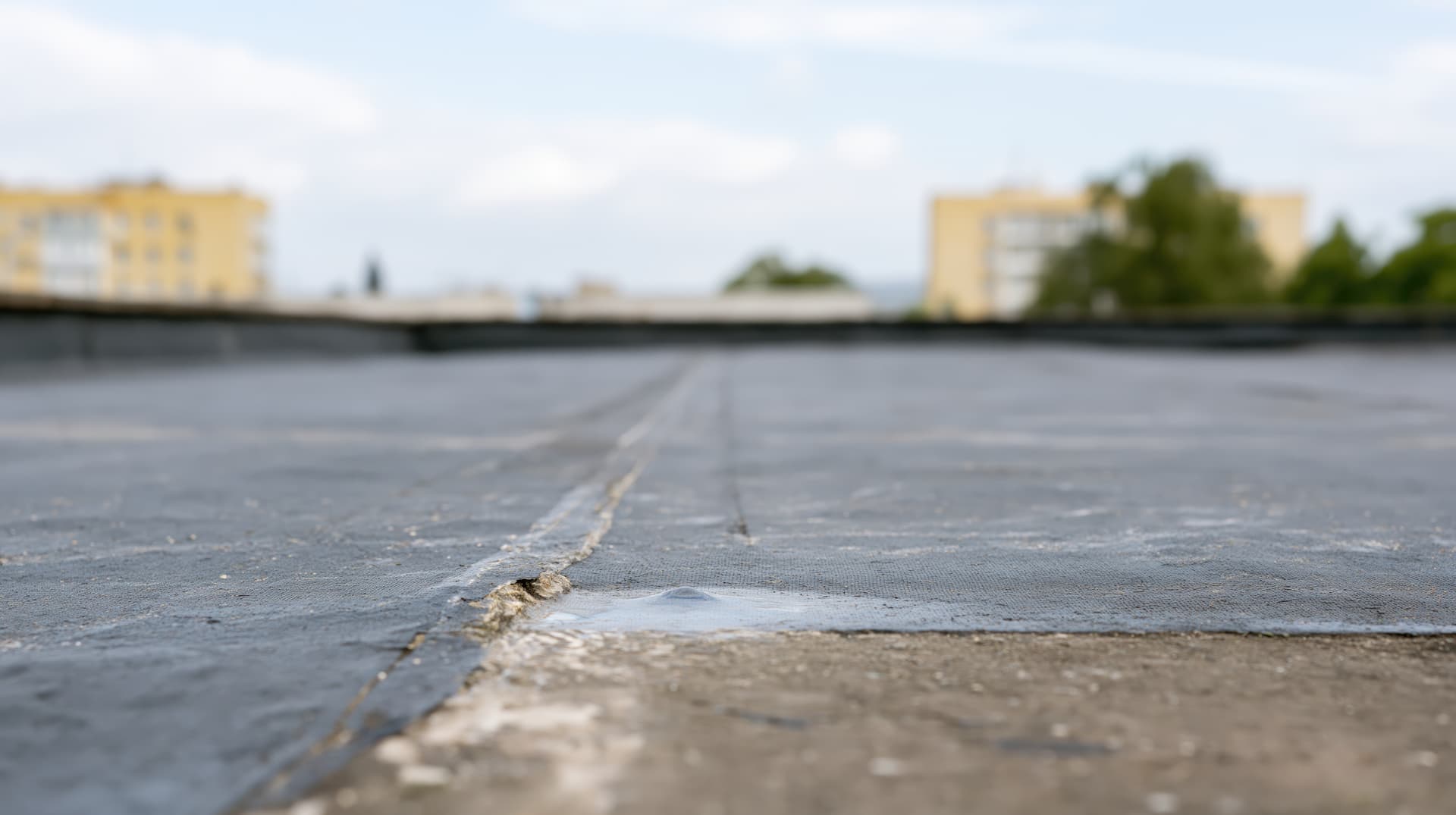
<p>Chicago's winters are unpredictable. One day it's 40°F and sunny, the next it's back below freezing. That constant back-and-forth is actually more damaging to your roof than most blizzards — and it's been doing quiet work on Chicago roofs since long before anyone called it a problem. Here's why it happens, what to watch for, and what you can do before the cold season takes hold.</p>
<h2>What a freeze-thaw cycle actually is</h2> <p>Water expands by about 9% when it freezes. That sounds small until you think about what happens when water gets into a tiny crack in your shingles, around your flashing, or under a curled shingle edge.</p> <p>When temperatures drop below 32°F, that water freezes and presses outward, widening the crack. When temperatures climb back above freezing — which happens repeatedly throughout a Chicago winter — the ice melts, the water seeps a little deeper, and then it freezes again. Over dozens of cycles in a single season, a small gap becomes a real leak.</p>
<h2>Where freeze-thaw damage shows up first</h2> <p>The most vulnerable spots on any Chicagoland roof:</p> <ul> <li><strong>Flashing.</strong> The metal strips that seal the joints around your chimney, skylights, and vent pipes are the first things to fail. When flashing lifts even slightly, water gets in and freezes behind it.</li> <li><strong>Shingle edges and valleys.</strong> The low points of your roof are where water collects before draining. If drainage is even slightly blocked, standing water freezes and backs up.</li> <li><strong>Gutters and fascia.</strong> Ice in a clogged gutter can weigh hundreds of pounds and pull the gutter away from the fascia board, creating a gap where water can enter the wall and attic.</li> <li><strong>Low-slope sections.</strong> Areas of roof with less pitch drain more slowly — and are more likely to have water sitting on them when temperatures drop.</li> </ul>
<h2>The part most homeowners miss</h2> <p>Freeze-thaw damage is slow and hidden. Water doesn't appear on your ceiling until it's traveled through your sheathing and insulation, and by that point the damage has been compounding for a full season — sometimes two. By spring, when people first call contractors about leaks they "just noticed," the damage started the previous November.</p> <p>The other thing homeowners miss: summer storm damage creates the entry points that freeze-thaw cycles exploit. A shingle bruised by hail doesn't leak in August. But when water finds that weakened spot in January, it does.</p>
<h2>What to do now</h2> <p>If your roof is more than 12 to 15 years old, or if you had any storm activity in your area this past summer or fall, the right move is a professional inspection before the freeze-thaw cycles begin in earnest.</p> <p>A qualified roofer will walk the roof and look for:</p> <ul> <li>Missing, cracked, or curled shingles</li> <li>Damaged or lifting flashing</li> <li>Soft spots in the decking — a sign water has already gotten in</li> <li>Blocked or damaged gutters</li> <li>Areas where debris has accumulated and could hold moisture against the surface</li> </ul> <p>Small repairs made in November cost a fraction of what a mid-winter emergency call or a full spring replacement costs. The math is simple: catch it now, and you're looking at a repair. Wait until it fails, and you're looking at much more.</p>
<h2>How we can help</h2> <p>KBC Exteriors has been on Chicagoland roofs since 1997 — through winters that brought record snowfall and springs that followed right behind them. We know what freeze-thaw damage looks like before it becomes a problem, and we know how to fix it so the repair holds through the next winter and the one after that.</p> <p>If you'd like us to take a look at your roof before the temperatures drop, call us at <a href="tel:7084973737">(708) 497-3737</a> or fill out a contact form on our website. We'll give you a straight answer about what we find.</p>